 Trickshotbilliardsny
The Secrets Behind Perfecting Your Billiards Game: Tips and Tricks
By Anika Lindgren / / 5 min read
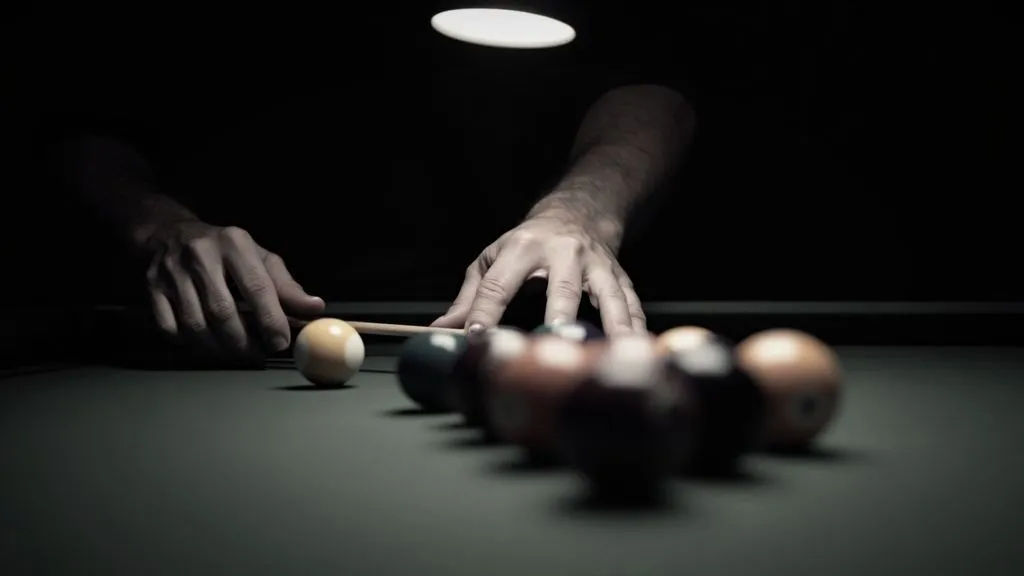
Whether you're a seasoned player or just starting out, mastering billiards involves more than just hitting the balls. It requires a keen understanding of the game, precision, and a touch of creativity. Here, we explore some essential tips and tricks to elevate your billiards skills and enhance your enjoyment of the game.
Understanding the Basics of Billiards
Before diving into advanced techniques, it's crucial to grasp the fundamental principles of billiards. The game revolves around a simple premise: using a cue stick to strike a cue ball, which then interacts with other balls on the table.
Stance and Grip
A solid stance and grip are foundational elements of good billiards play. Your feet should be shoulder-width apart, providing a stable base. Bend your knees slightly and lean forward a bit to maintain balance.
Your grip on the cue should be firm but relaxed. A tight grip can lead to erratic shots, while a loose grip can cause a lack of control. Aim to find a sweet spot: hold the cue loosely enough to maintain fluidity but firmly enough to exert control.
Aiming Techniques
Aiming is an essential skill in billiards. One effective method is the "ghost ball" technique. Visualize an imaginary ball that would need to occupy the position of contact to send the target ball into the pocket. Align your cue stick with this "ghost ball" before making your shot.
Another useful aiming tool is the "line of aim." This technique involves extending an invisible line from the cue ball to the target ball and then to the pocket. By aligning your cue stick along this line, you can increase your chances of sinking the shot.
Mastering Different Shots
Billiards is about more than just straight shots; players must master different types of shots to navigate various situations on the table. Here are some key shots to practice:
The Draw Shot
The draw shot is a technique that allows you to pull the cue ball back after it strikes another ball. To execute this shot, you must strike the cue ball below its center while following through smoothly. This technique is particularly useful for positioning the cue ball for subsequent shots.
The Follow Shot
Conversely, the follow shot pushes the cue ball forward after it hits the object ball. To perform this, hit the cue ball above its center. This technique can help you maintain control over the cue ball's path, setting you up for your next move.
The Masse Shot
The masse shot is a more advanced technique that involves elevating the cue stick to create a curve in the ball's trajectory. This type of shot can help you navigate around obstacles. To practice, lean your cue stick into the ball while applying a strong stroke. It requires practice to master the precision needed for this shot.
Mental Approach and Focus
Billiards is as much a mental game as it is a physical one. Cultivating the right mindset can significantly influence your performance.
Visualization
Before taking a shot, visualize the entire process in your mind. Picture the ball's path, the angle of impact, and the eventual outcome. This mental rehearsal can enhance your focus and confidence when executing the shot.
Staying Calm Under Pressure
In competitive settings, the pressure can affect your performance. Learning to stay calm is crucial. Practice deep breathing techniques to help you maintain composure during tense moments. A clear mind often leads to better decision-making.
Practicing Regularly
Like any sport, regular practice is paramount for improvement. Set aside dedicated time to work on different aspects of your game. Whether it’s alone or with friends, consistency is key.
Drills for Improvement
Incorporating specific drills into your practice routine can yield impressive results. For instance, set up a series of balls in a straight line and practice sinking them one after the other. This helps refine your aiming and stroke consistency.
Another effective drill is the “spot shot.” Place the cue ball on a designated spot and try to pocket an object ball from various angles. This exercise enhances your understanding of angles and positioning.
Playing Against Better Opponents
One of the best ways to enhance your skills is to compete against players who are more experienced. This exposure helps you learn new strategies and techniques while also pushing you to improve.
Observing and Adapting Strategies
When playing against stronger opponents, take note of their techniques and strategies. Observe their stance, shot selection, and how they read the table. Incorporating valuable insights from others can accelerate your development.
Equipment Matters
While skill is fundamental, the right equipment can also make a difference. Invest in a good quality cue stick that feels comfortable to you. The weight and tip of the cue can affect your shots, so take your time to find one that suits your style.
Choosing the Right Cue Stick
Cue sticks come in various weights and materials, each affecting gameplay differently. A heavier cue can provide more power but requires more strength, while a lighter cue offers more control but can feel less stable. Experiment with different cue sticks to find your ideal match.
Maintaining Your Equipment
Taking care of your cue and other equipment is essential for longevity and performance. Regularly clean your cue stick and check for damage. This will ensure that you have reliable tools to support your game.
Engaging in the Billiards Community
Joining a billiards community can offer numerous benefits, from gaining new insights to making friends. Participate in local tournaments or leagues to meet fellow enthusiasts.
Learning from Others
Engaging with others who share your passion can expose you to new ideas and techniques. Many communities host workshops or clinics led by experienced players. Participating in these events can deepen your understanding of the game.
Sharing Your Knowledge
As you improve, consider sharing your knowledge and skills with others. Teaching can reinforce your own understanding and help others in their billiards journey.